Toledo, the Imperial City
Toledo
No ratings yet
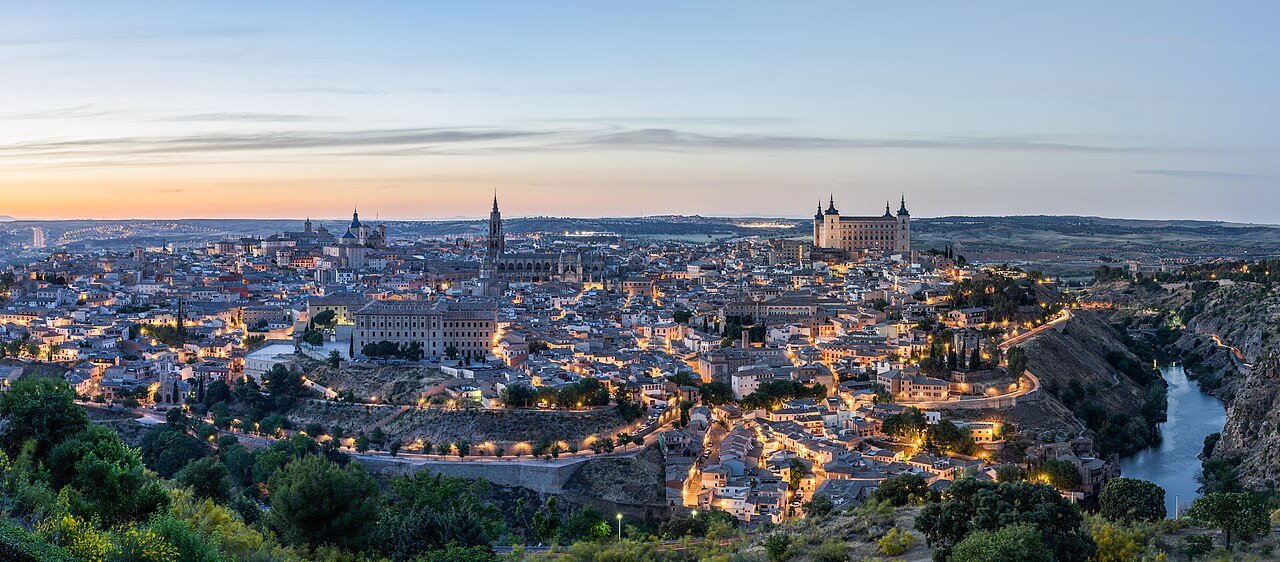
A historic city known for its blend of Christian, Jewish and Muslim cultures, listed as a World Heritage Site.
These are the 30 places you cannot miss if you travel to Castilla-La Mancha. Save your favourites and open them in Google Maps to plan your route.
There are no places with those filters.
Toledo
A historic city known for its blend of Christian, Jewish and Muslim cultures, listed as a World Heritage Site.
Toledo
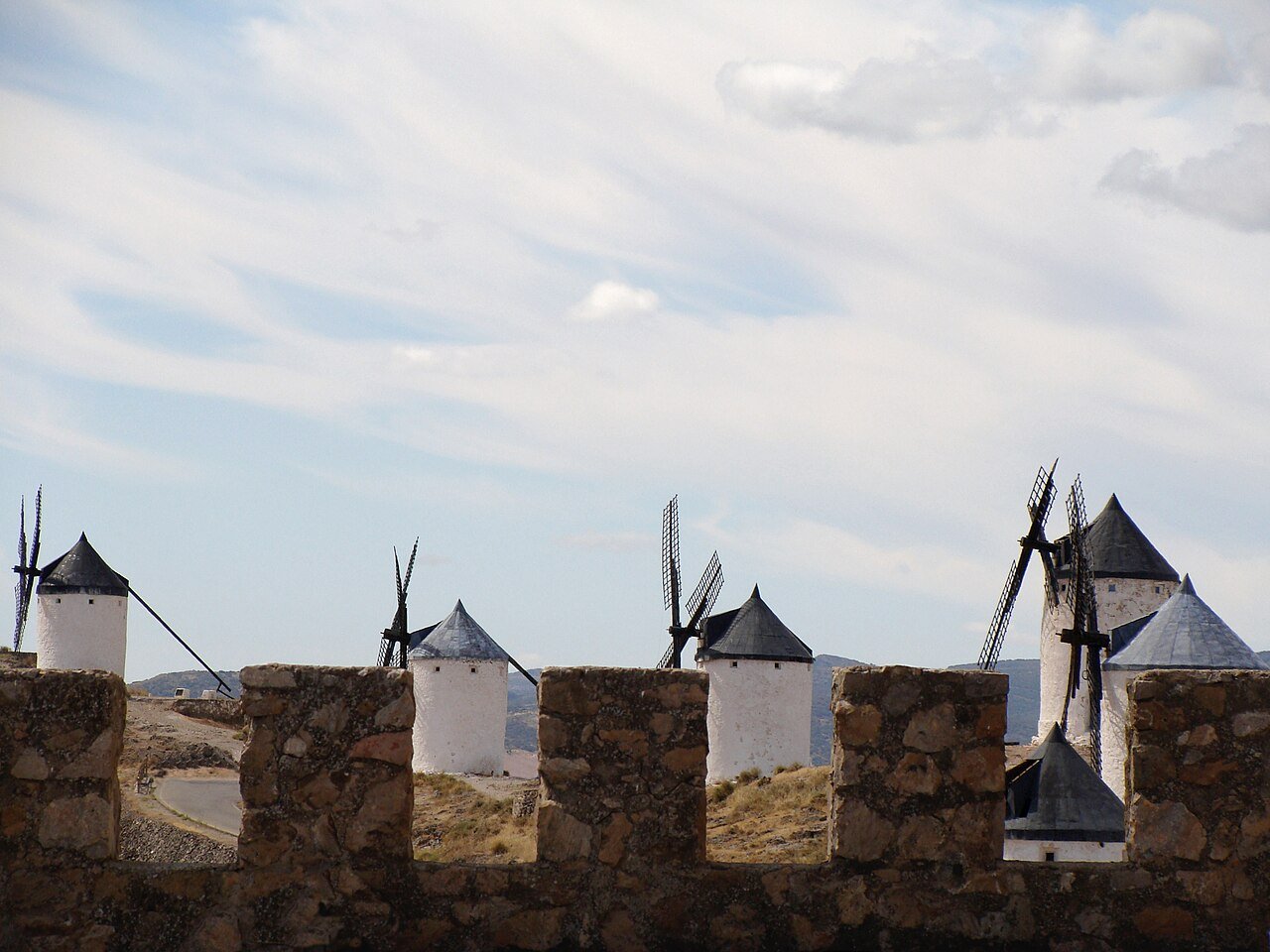
The famous windmills that inspired Cervantes in Don Quixote, set on a hill with spectacular views.
Cuenca
A medieval city famous for its houses hanging over the edge of a cliff. Also a World Heritage Site.
Ciudad Real
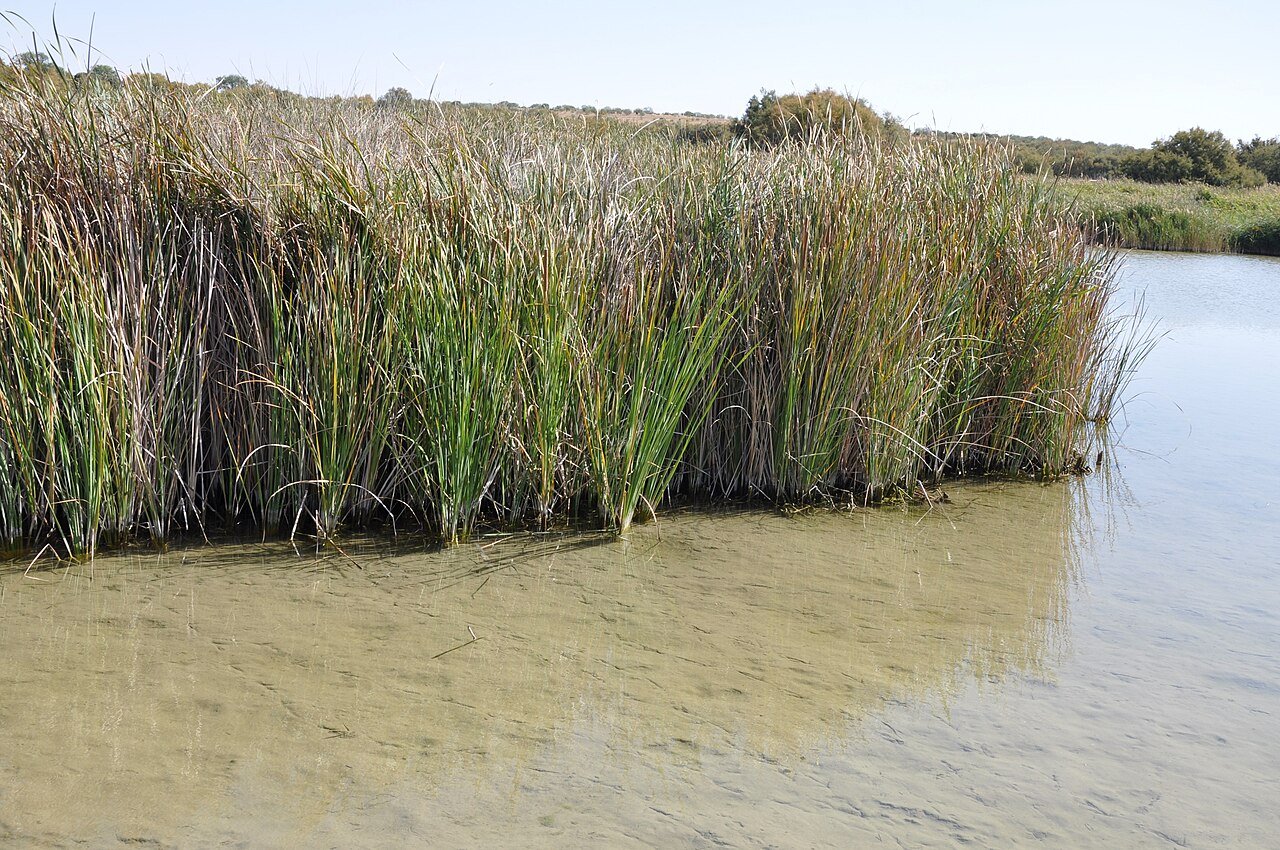
A wetland unique in Europe, home to many waterbirds and a very special ecosystem.
Albacete
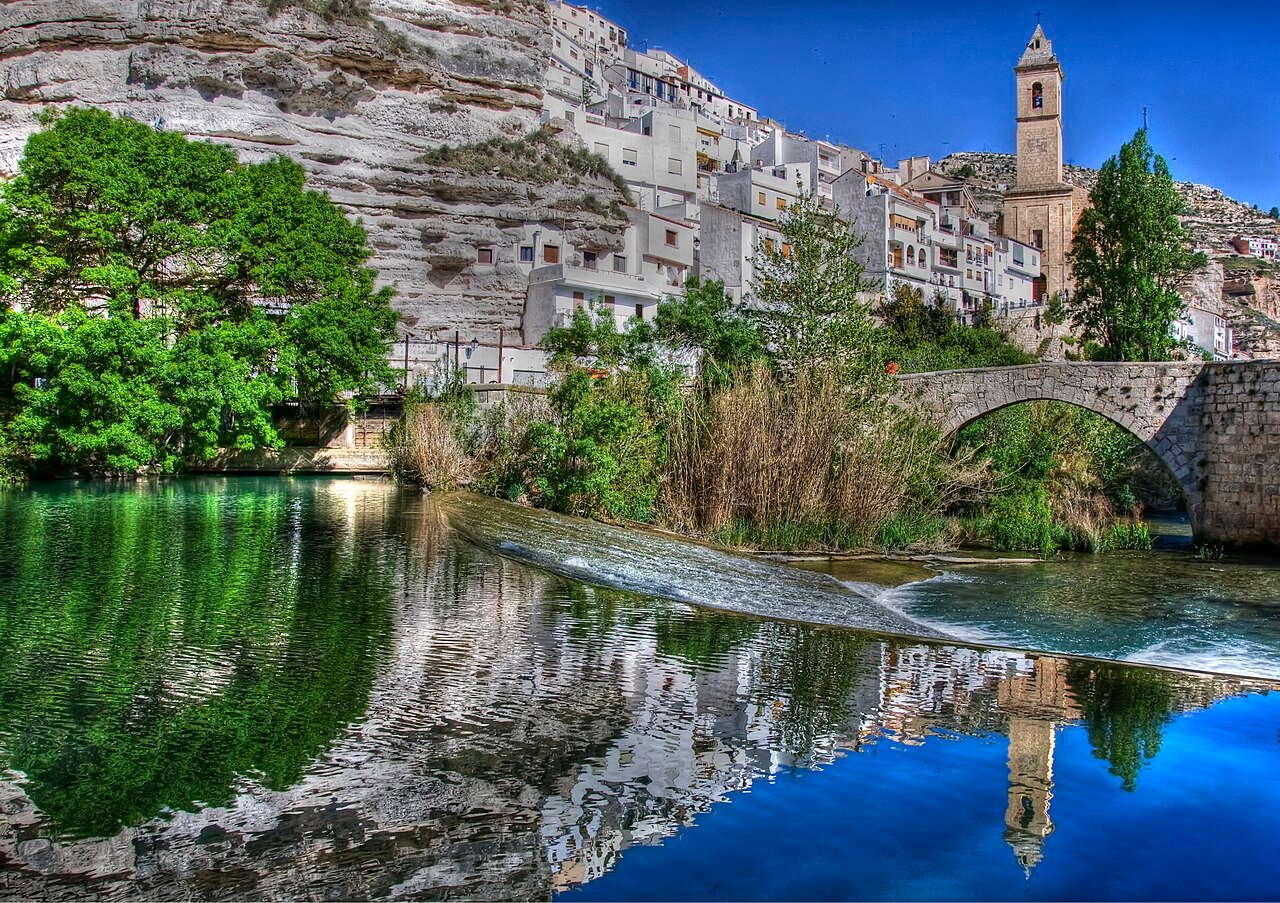
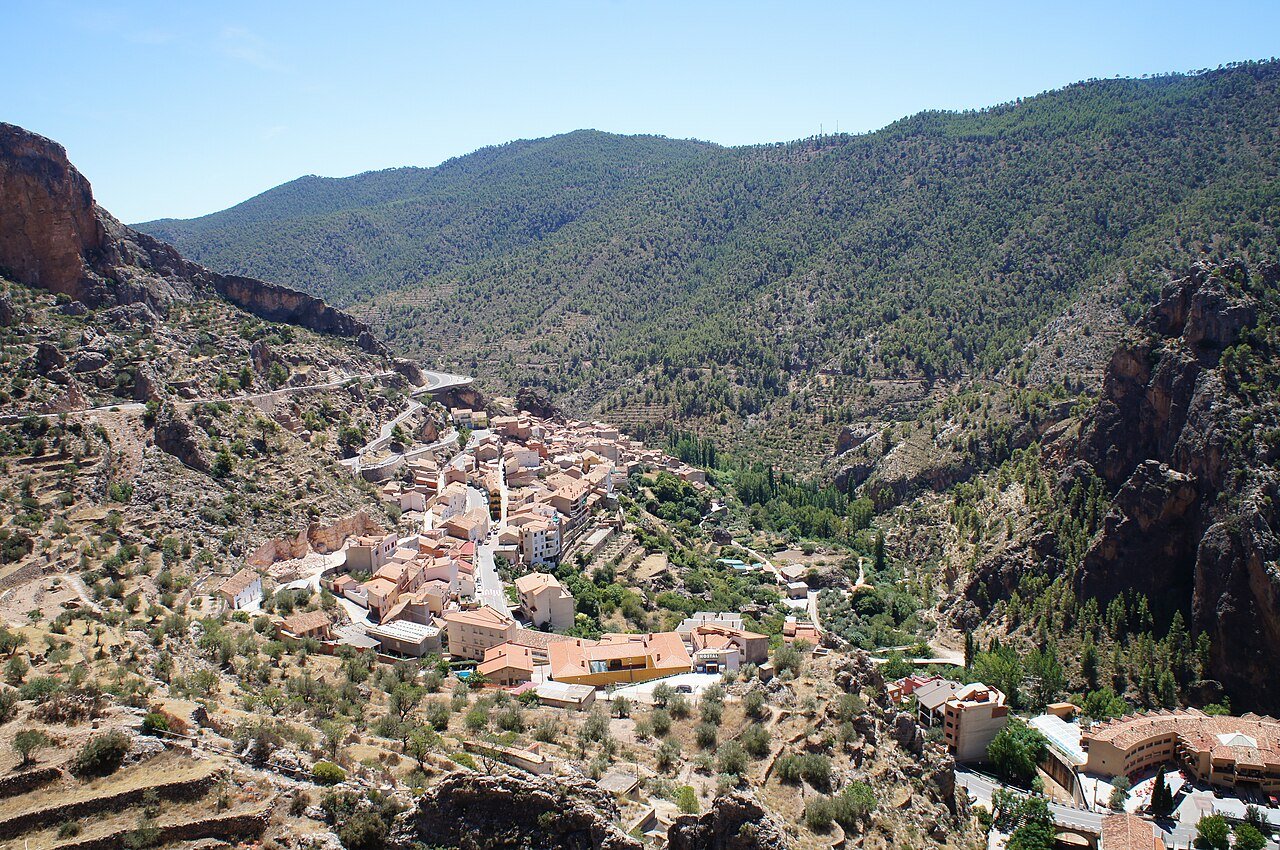
A picturesque village carved into the rock, with white houses stepped up the hillside, a medieval castle and spectacular views of the Júcar canyon.
Cuenca
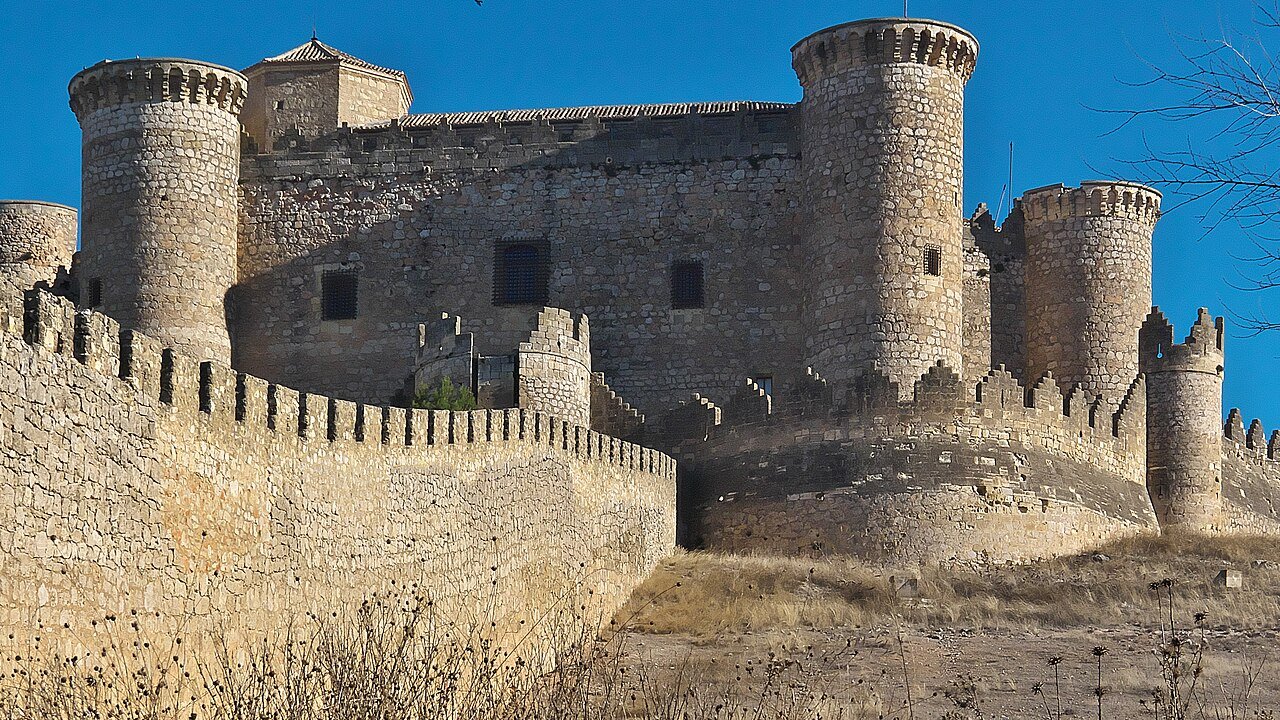
An impressive 15th-century fortress, restored and very well preserved, perfect for diving into the medieval history of Castilla-La Mancha.
Guadalajara
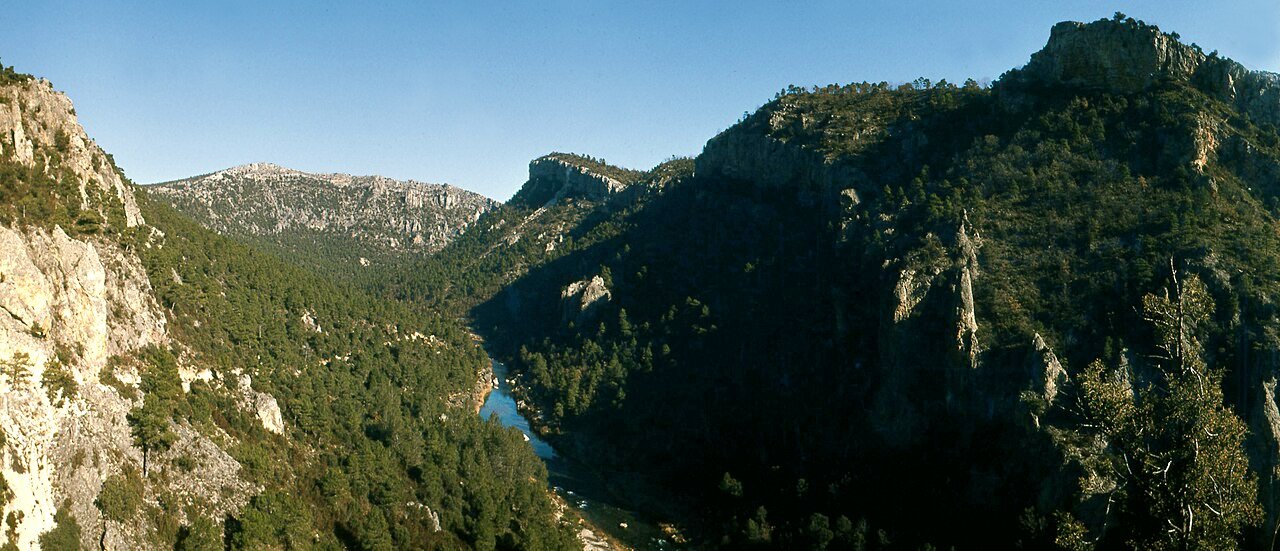
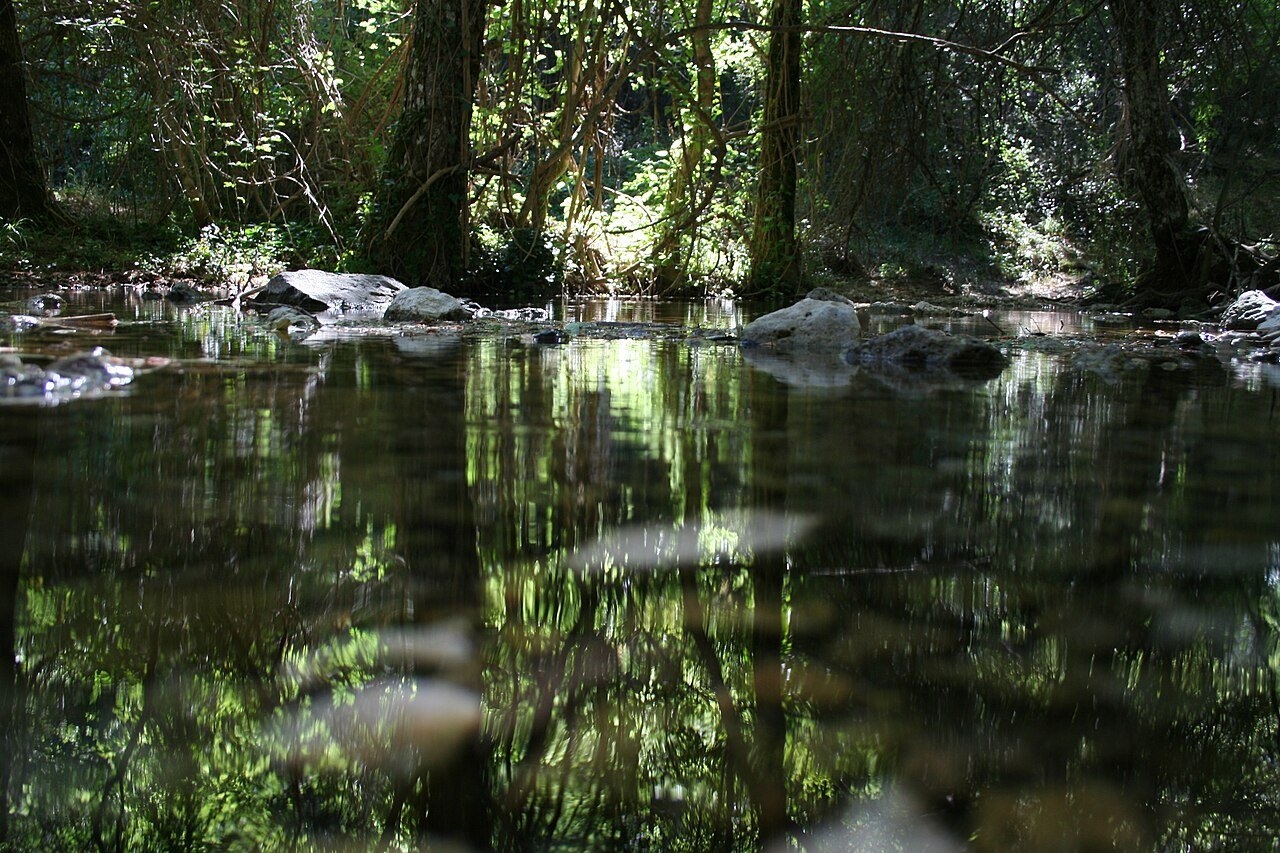
A natural paradise of canyons, crystal-clear rivers and forests, perfect for hiking, kayaking or simply unwinding.
Cuenca
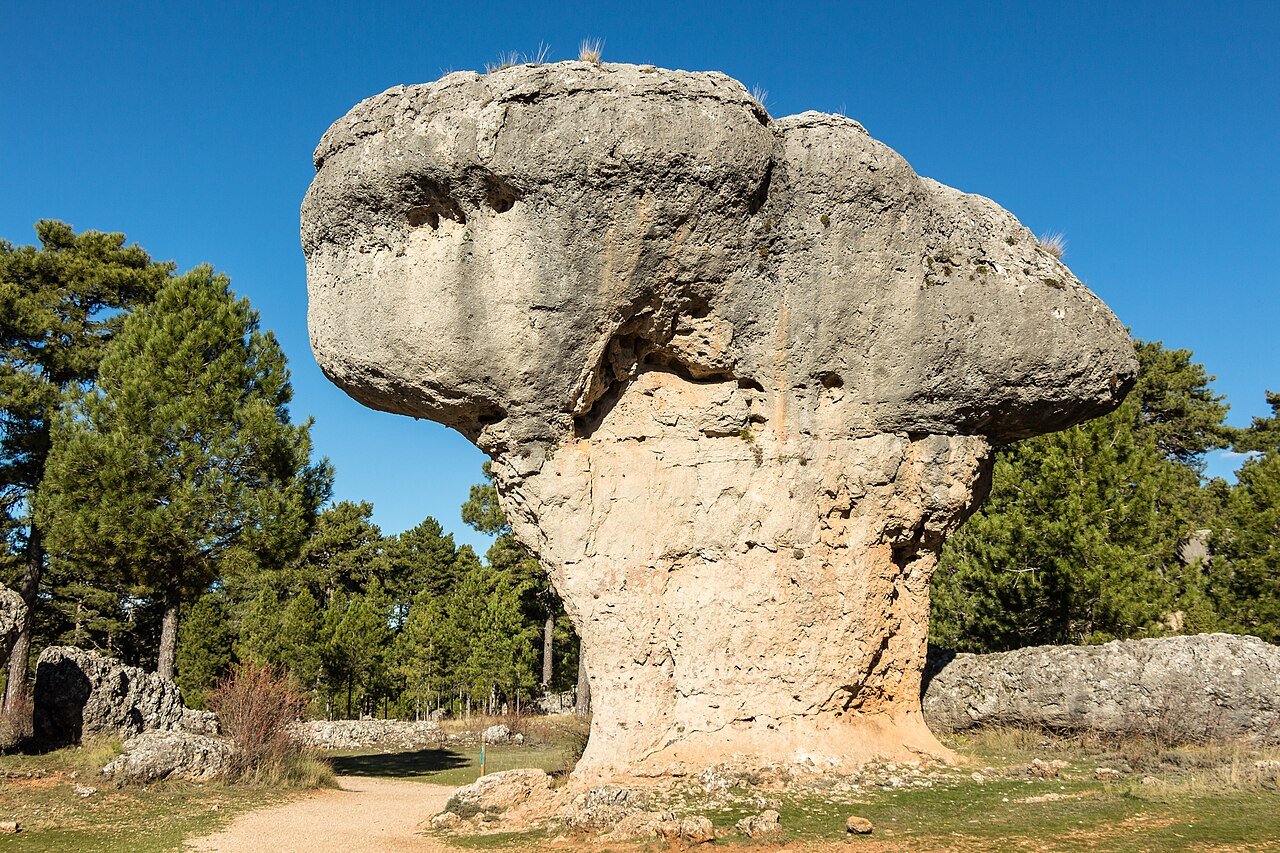
A natural site of limestone rocks shaped by erosion into whimsical forms such as the Tormo Alto or the Boats.
Guadalajara
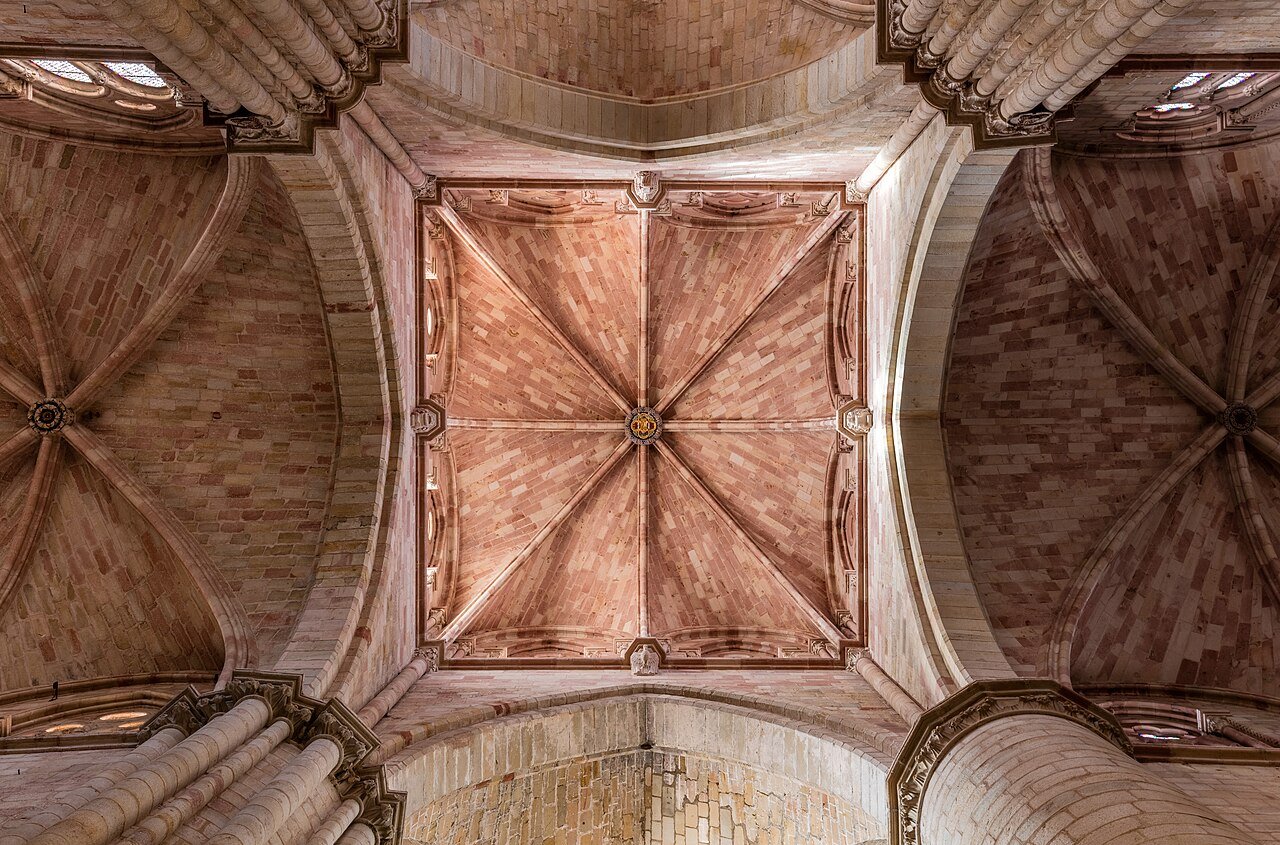
A medieval town in Guadalajara with a castle turned into a parador and a cathedral that houses the famous Doncel sculpture.
Ciudad Real
The only Golden Age open-air theatre that survives intact and still in use, on a unique main square.
Ciudad Real
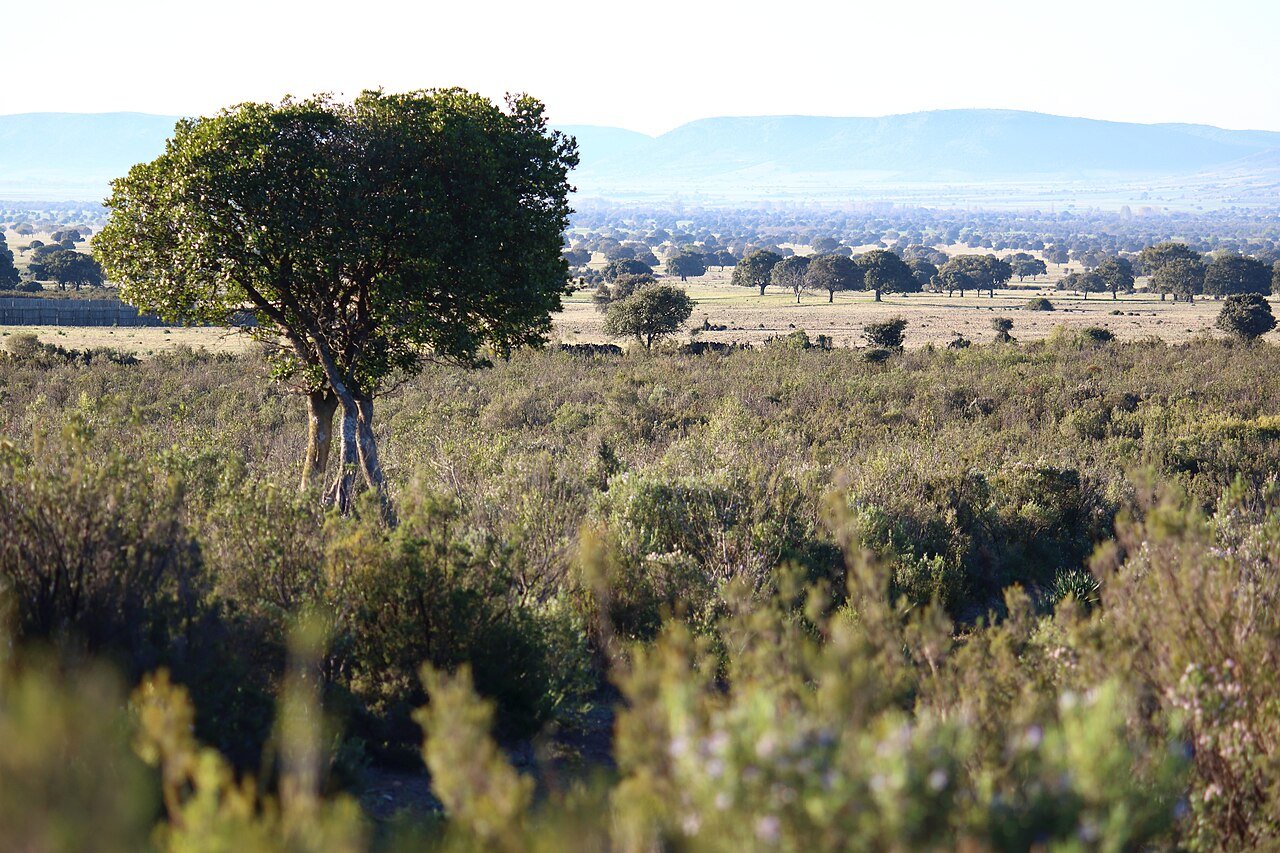
The finest Mediterranean forest in the peninsula, with open plains where you can spot deer, imperial eagles and black vultures.
Ciudad Real
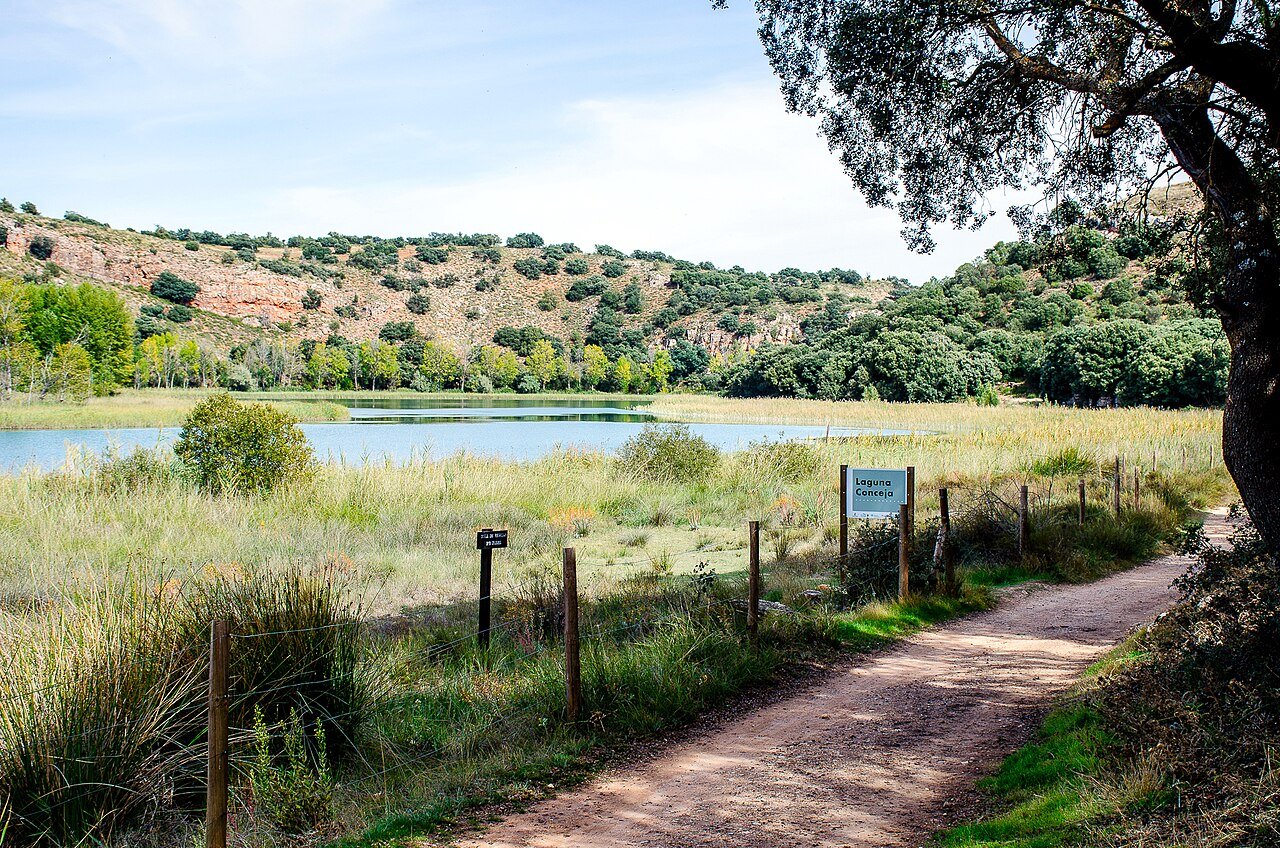
Fifteen turquoise lagoons linked by waterfalls in the heart of La Mancha, perfect for a summer swim.
Albacete
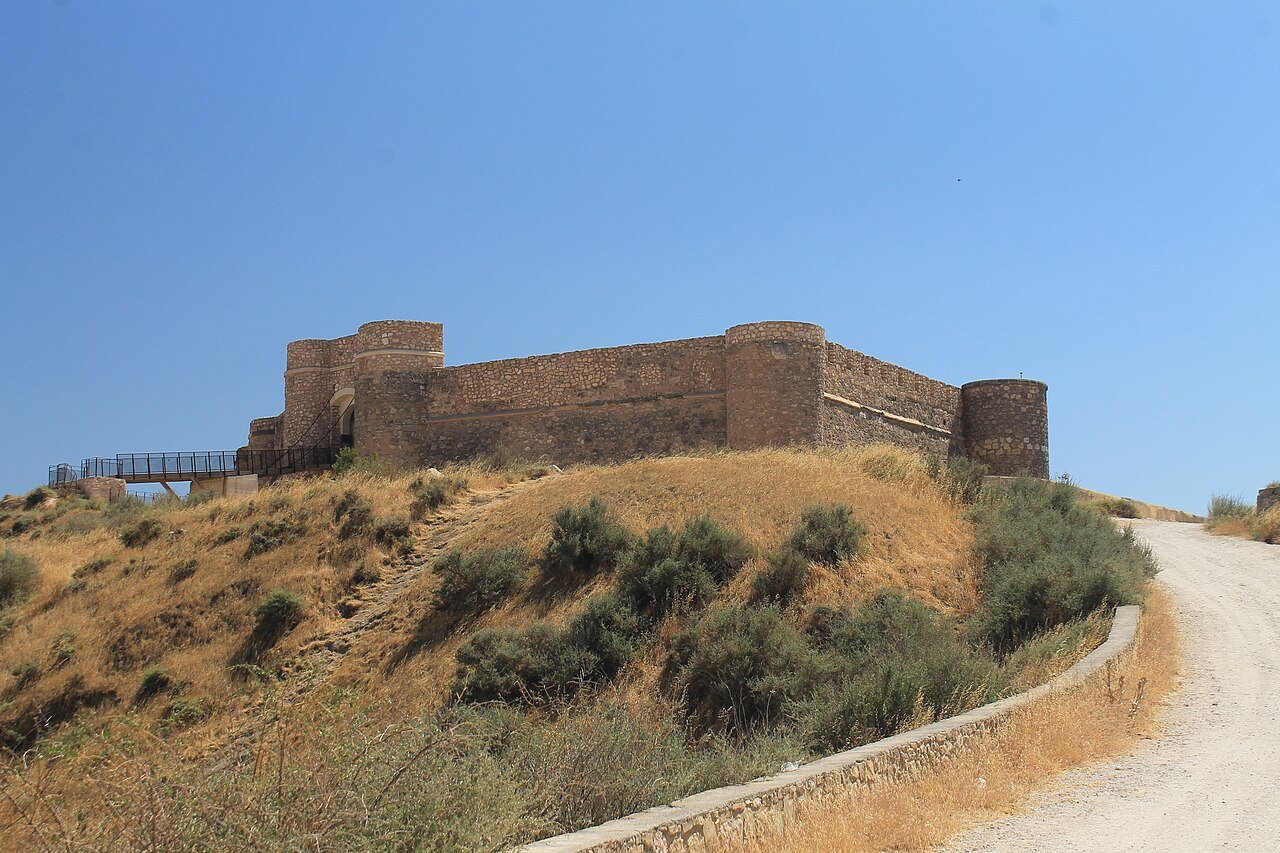
An Almohad castle on a limestone crag overlooking the town of Almansa and the plains of Albacete.
Cuenca
A Roman city in Cuenca with a well-preserved theatre, amphitheatre, baths and forum.
Guadalajara
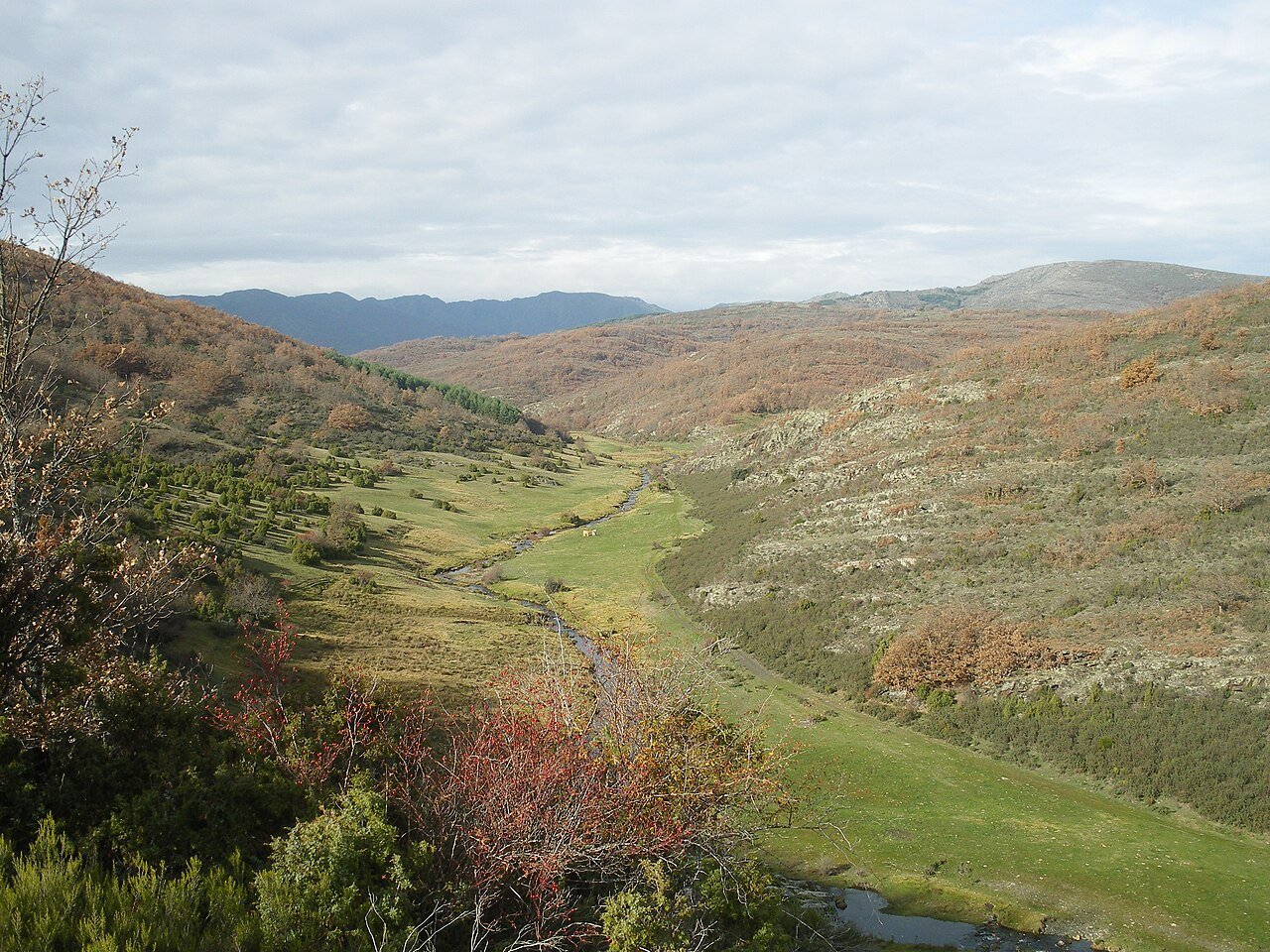
One of the southernmost beech forests in Europe, in Guadalajara, spectacular in autumn with its red and golden colours.
Toledo
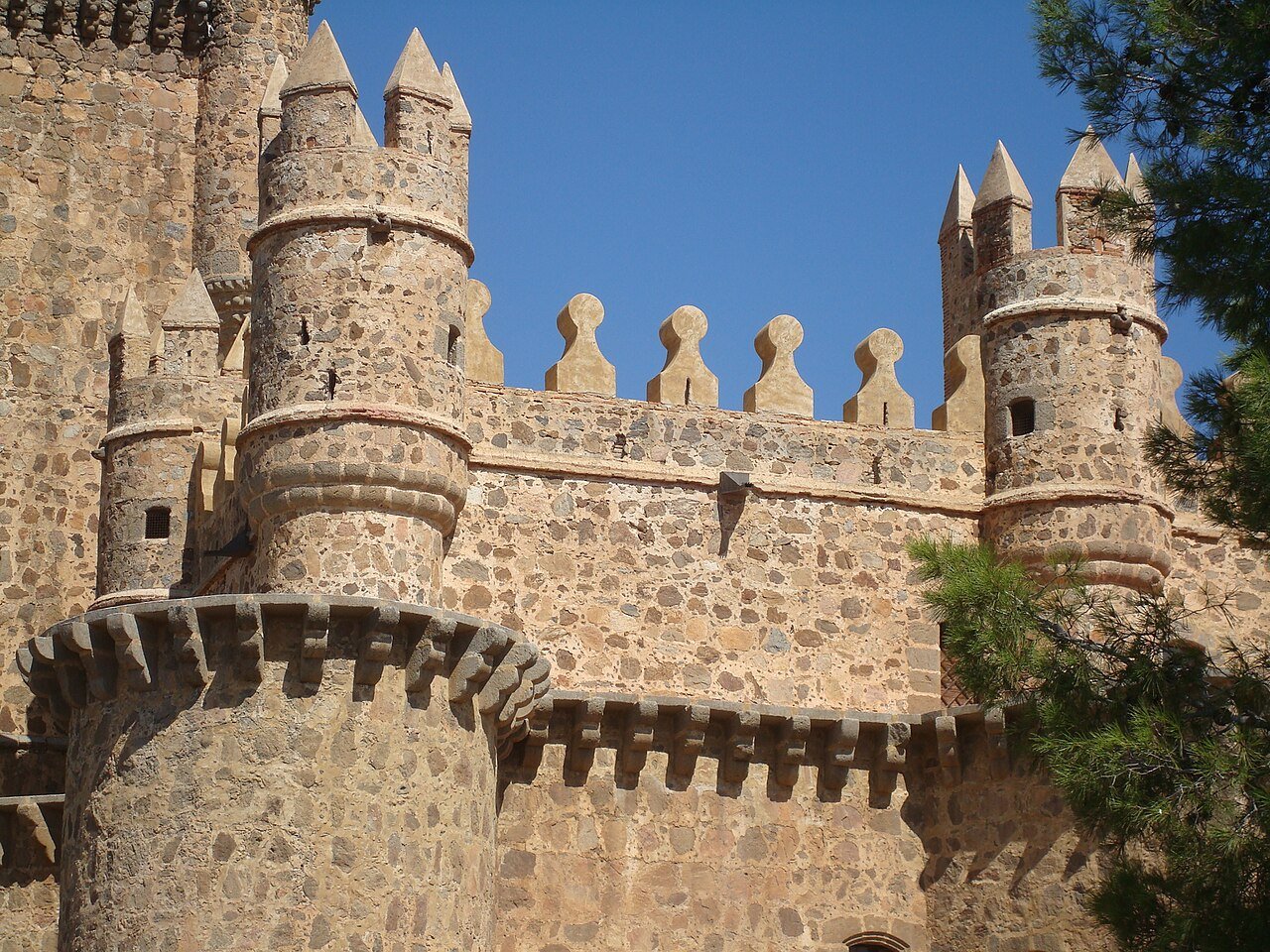
A well-preserved 15th-century castle a few kilometres from Toledo, with its keep and moat.
Albacete
A spectacular waterfall gushing out of a cave in the Sierra de Alcaraz, one of the most beautiful spots in Albacete.
Guadalajara
A ducal town linked to the Princess of Éboli, with her palace, the collegiate church and the famous Pastrana tapestries.
Albacete
A hilltop town crowned by a castle, with an arcaded main square and cave houses.
Toledo
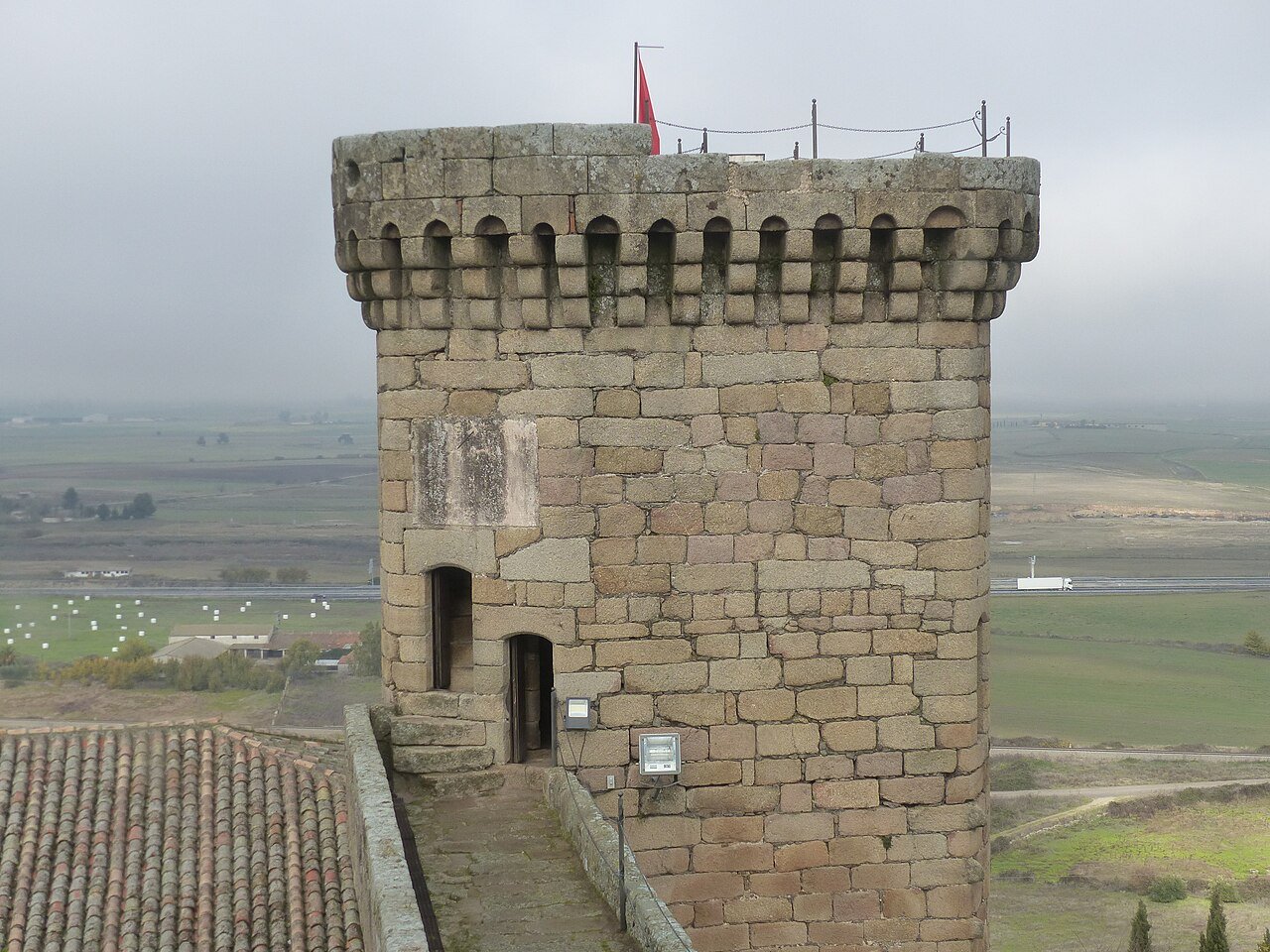
A 14th- and 15th-century castle-palace overlooking the town of Oropesa, now partly a parador.
Albacete
Village perched above the Mundo river gorge, nicknamed the Manchegan Switzerland, whose viewpoints featured in the cult film Amanece, que no es poco.
Albacete
Housed in the modernist Casa de Hortelano, it traces centuries of Albacete's knife-making tradition through historic pieces and craft workshops.
Ciudad Real
Renaissance town in the Campo de Montiel with an arcaded main square and the house where the writer Francisco de Quevedo died in 1645.
Ciudad Real
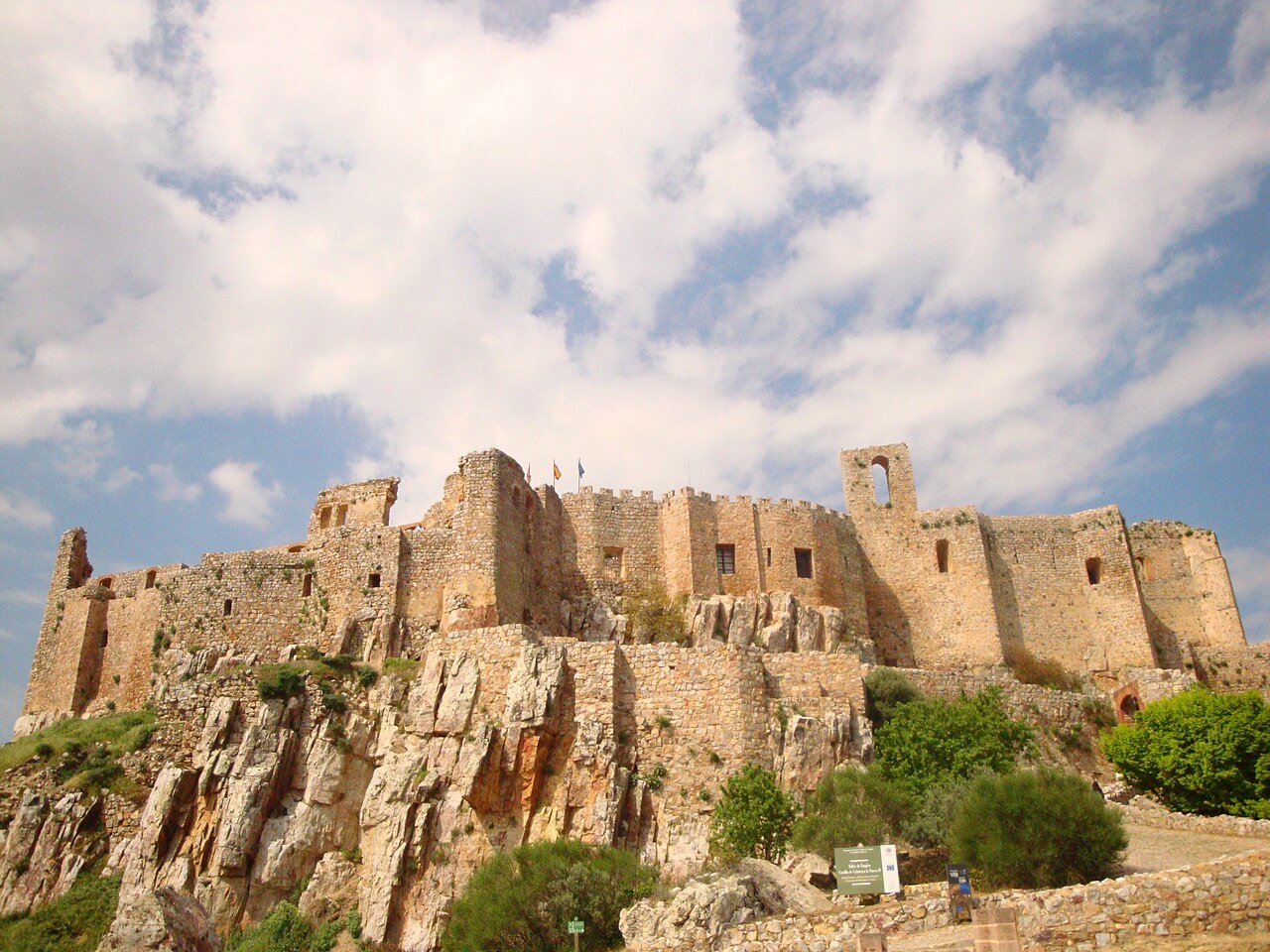
Thirteenth-century castle-monastery that was the seat of the Order of Calatrava, perched on a hill with sweeping views over the Campo de Calatrava.
Cuenca
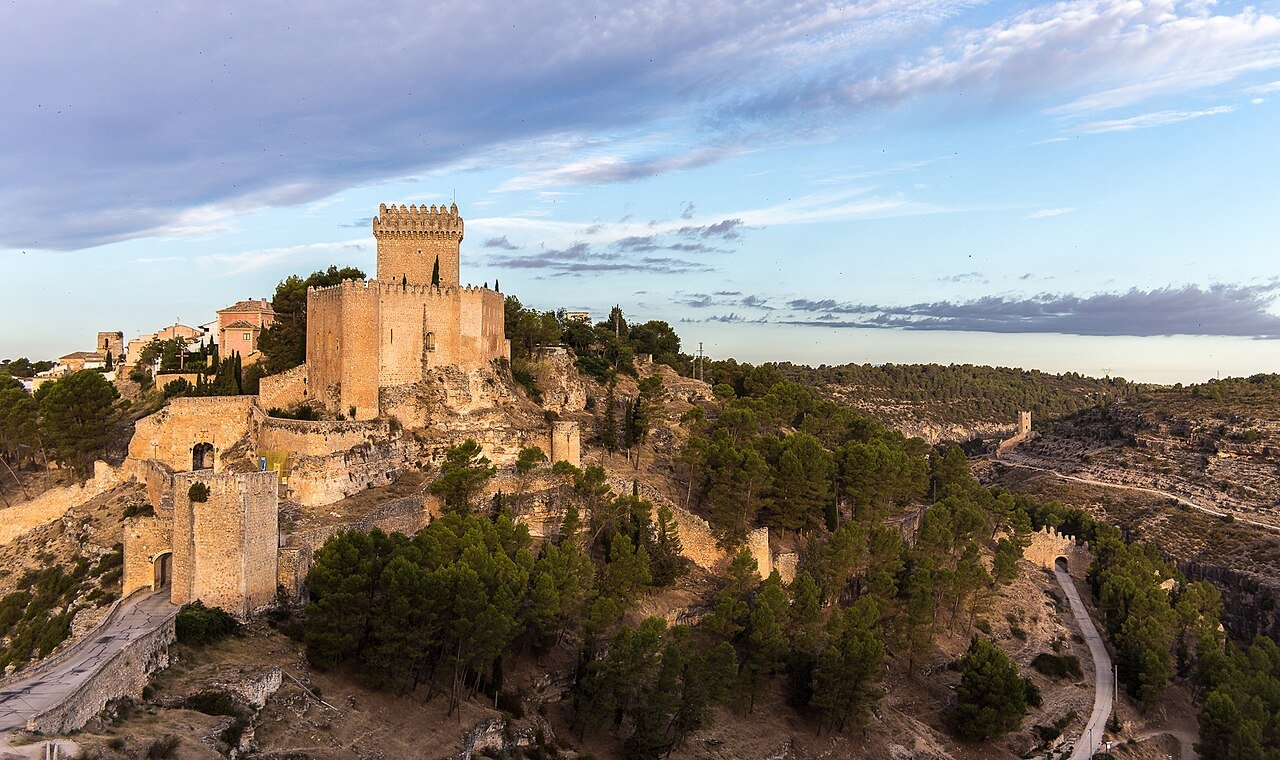
Medieval town almost encircled by a meander of the Júcar, with an eighth-century castle that is now a Parador and walls still guarding it.
Cuenca
Known as the Escorial of La Mancha, it was the headquarters of the Order of Santiago and blends Plateresque and Baroque façades atop an old castle.
Guadalajara
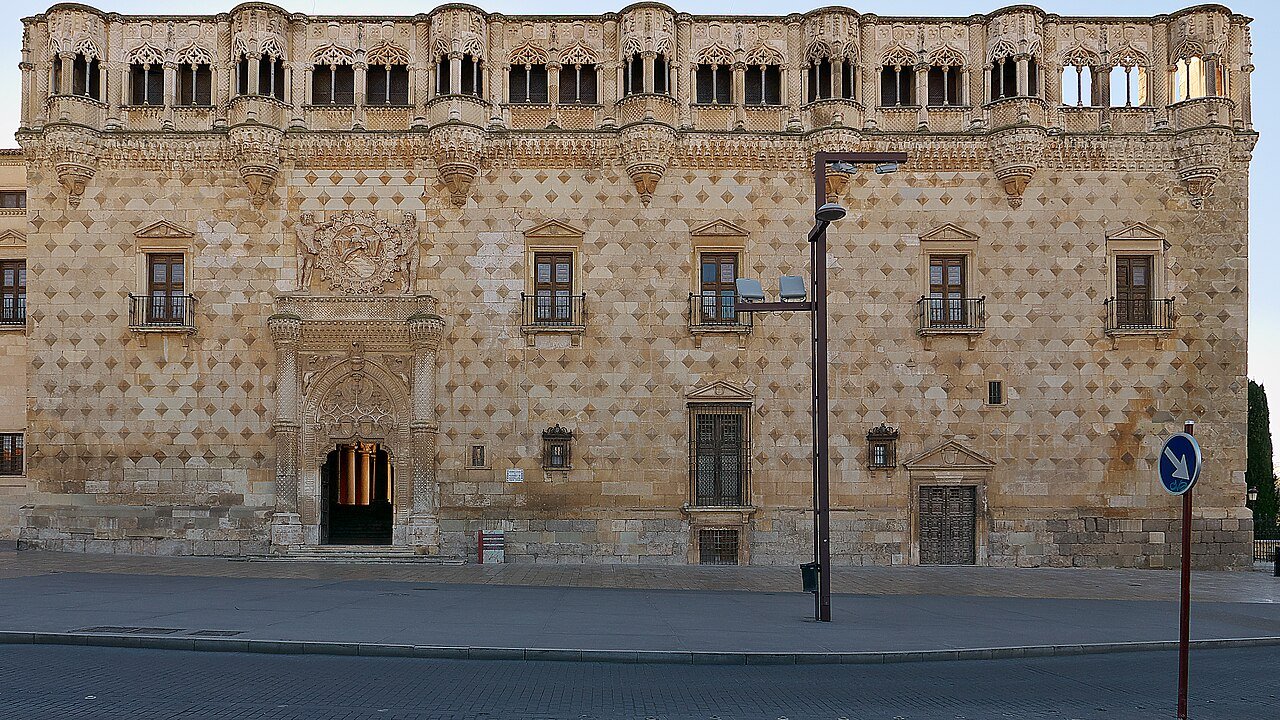
Fifteenth-century palace of the Mendoza family with a diamond-pointed façade and an Isabelline Gothic Lions' Courtyard; it houses the provincial museum.
Guadalajara
Walled Alcarria town famed for its lavender fields, which bloom in July, and for its eighteenth-century Royal Cloth Factory.
Toledo
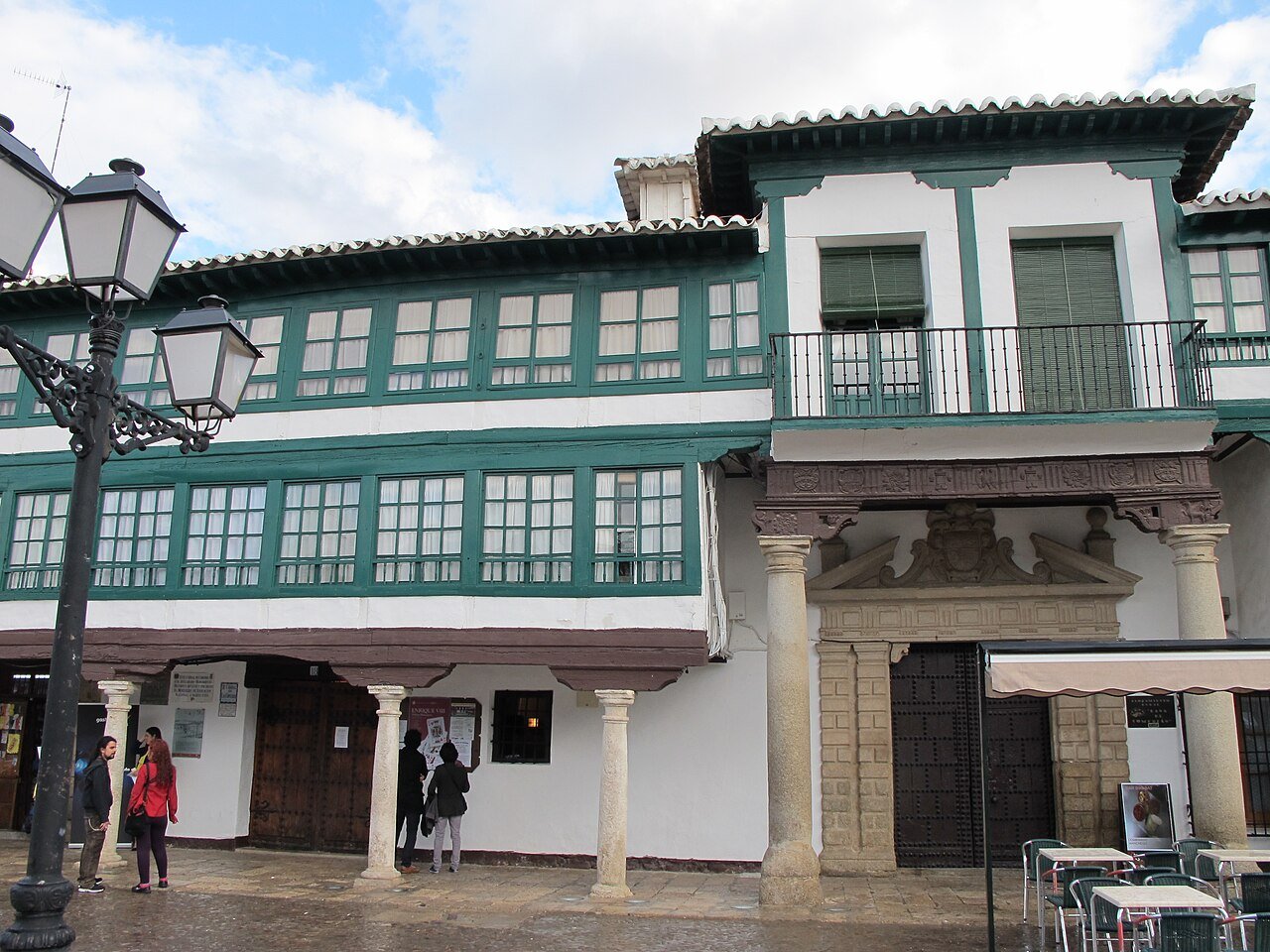
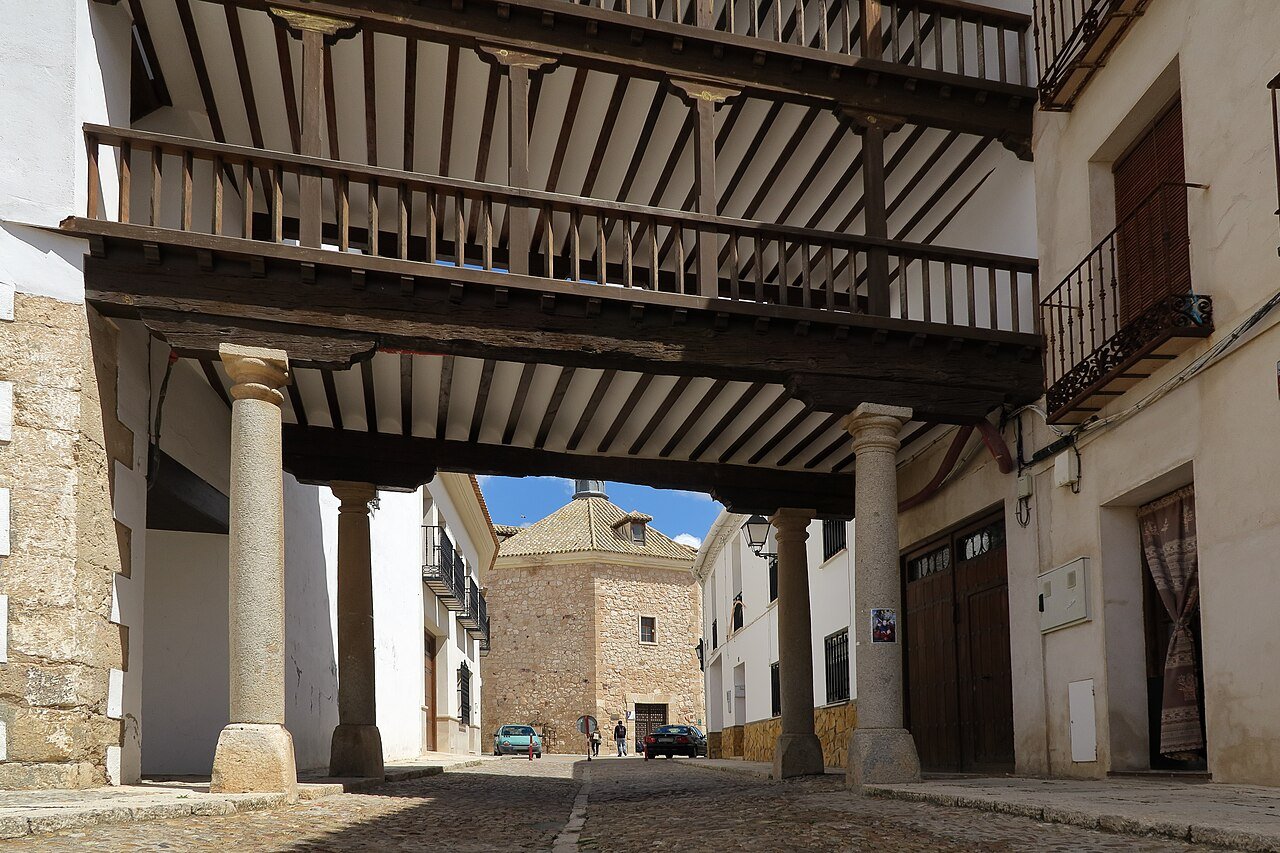
La Mancha village whose seventeenth-century main square, lined with two-storey wooden galleries, was once used as a bullring.
Toledo
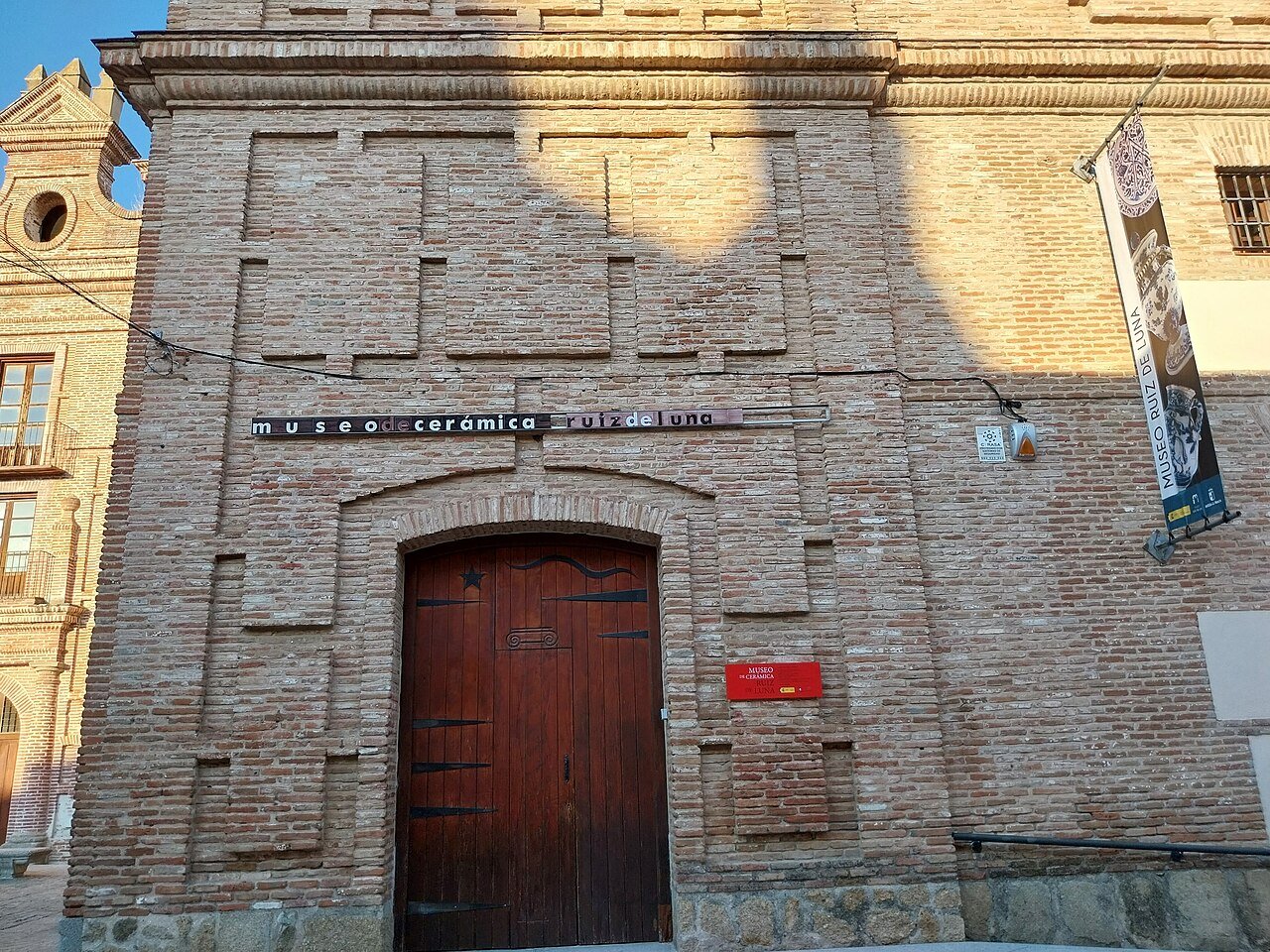
Set in the former convent of San Agustín in Talavera de la Reina, it displays Talavera pottery from the 15th to 20th centuries, recognised by UNESCO.
Castilla-La Mancha is the land of Don Quixote: the Consuegra windmills, the Corral de Comedias in Almagro and castles like Belmonte dot its plains. Toledo and Cuenca, with its Hanging Houses, are World Heritage Sites, and places like the Lagunas de Ruidera or the Tablas de Daimiel are a natural surprise.
Toledo deserves at least a full day; on the second day you can visit the Consuegra windmills or choose Cuenca, with its Hanging Houses and the Ciudad Encantada.
Spring and autumn. Summers are very hot and dry; if you travel in July or August, make the most of the mornings and places with water such as the Alto Tajo or the source of the Río Mundo.
Alcalá del Júcar, Sigüenza, Almagro, Pastrana, Chinchilla de Montearagón and Consuegra.